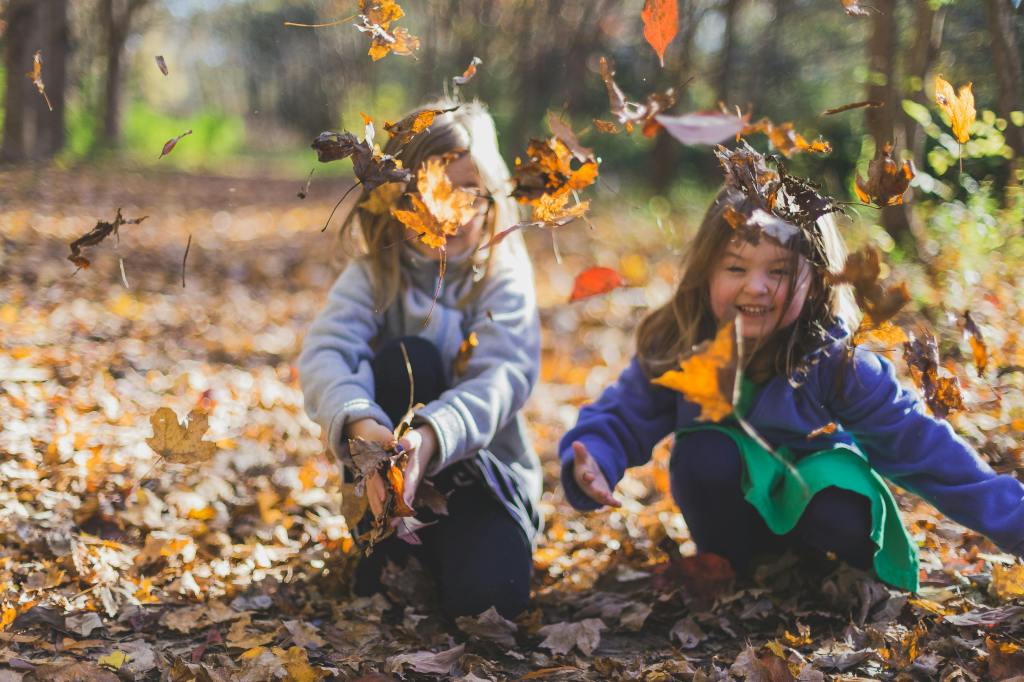
What is Nature Play?
From the Australian Institute of family studies
Nature play is a specific type of play that is: (a) freely chosen, child-led and unstructured (as opposed to adult-led) and (b) includes interactions with natural elements such as trees, rocks, plants, dirt and water (Agostini et al., 2018; Beery, 2020; Ernst et al., 2019)
Why is Nature Play Important?
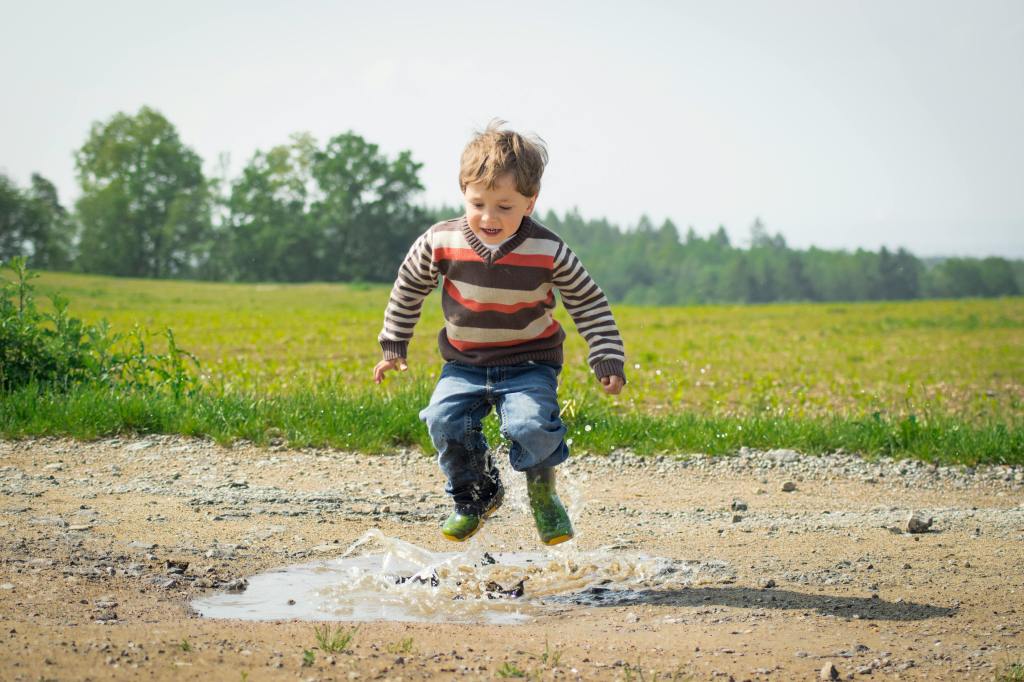
Nature Play builds resilience
Children may experience discomfort being out in the elements, they may fall when taking risks outdoors. Outdoor gear takes some getting used to – sleeves and pants bunch up, nature materials get inside clothing. When exposed to these types of experiences, children learn that they can work through uncomfortable situations and solve problems.
Read more about why resilience is important in childhood :
‘Focus on the Family’ Raising Resilient Kids
Nature Play encourages creativity
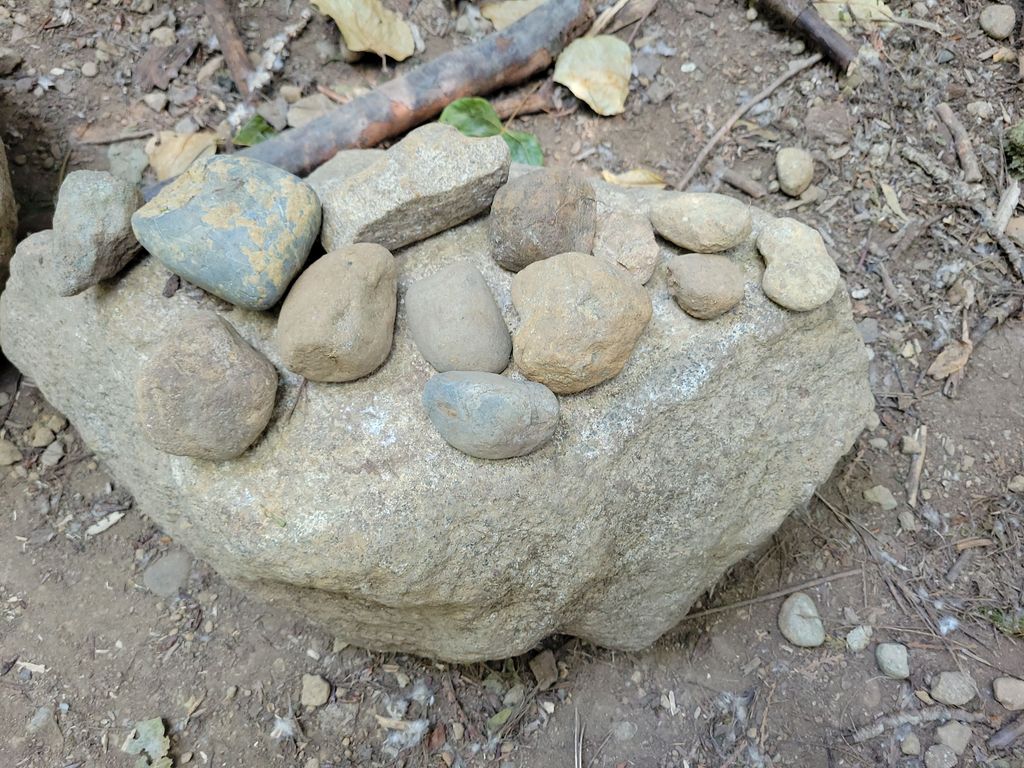
“A Bakery“
When children play freely with natural materials, they come up with their own ideas such as a rock can be a baby, a dragon egg or a cake; two leaves make a sandwich with ‘any filling they like’, A stick can be a sword, a paintbrush or a horse; the Book ‘Not a Stick’ by Antoinette Portis demonstrates this well Not A Stick Book Read Aloud
Nature Play helps children Self Regulate
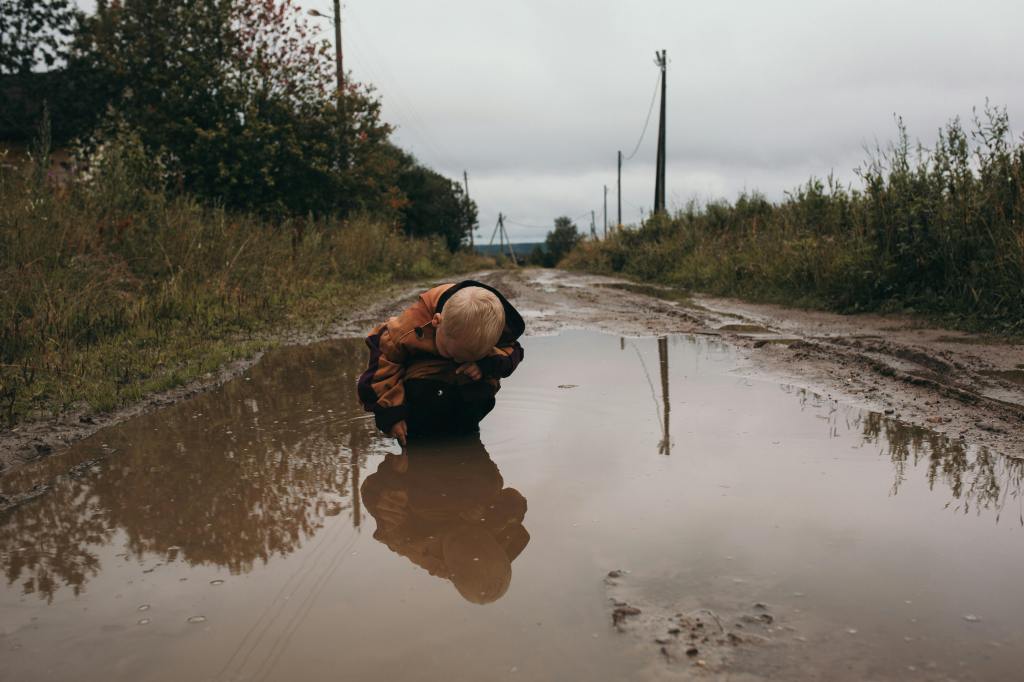
The natural world is abundant with sensory experiences such as water, sand and mud. Sensory Play helps children calm and regulate their nervous system.
Spending time in nature, by watching a sunset, gazing at the ocean or mountains, sitting in a park, escaping to the countryside or a nature retreat, or even just spending a few minutes to stare out the window, provides us with the opportunity to rest, reflect, and restore our very selves.
COURTNEY E, ACKERMAN, MA Positivepsychology.com
 Learning Discoveries